
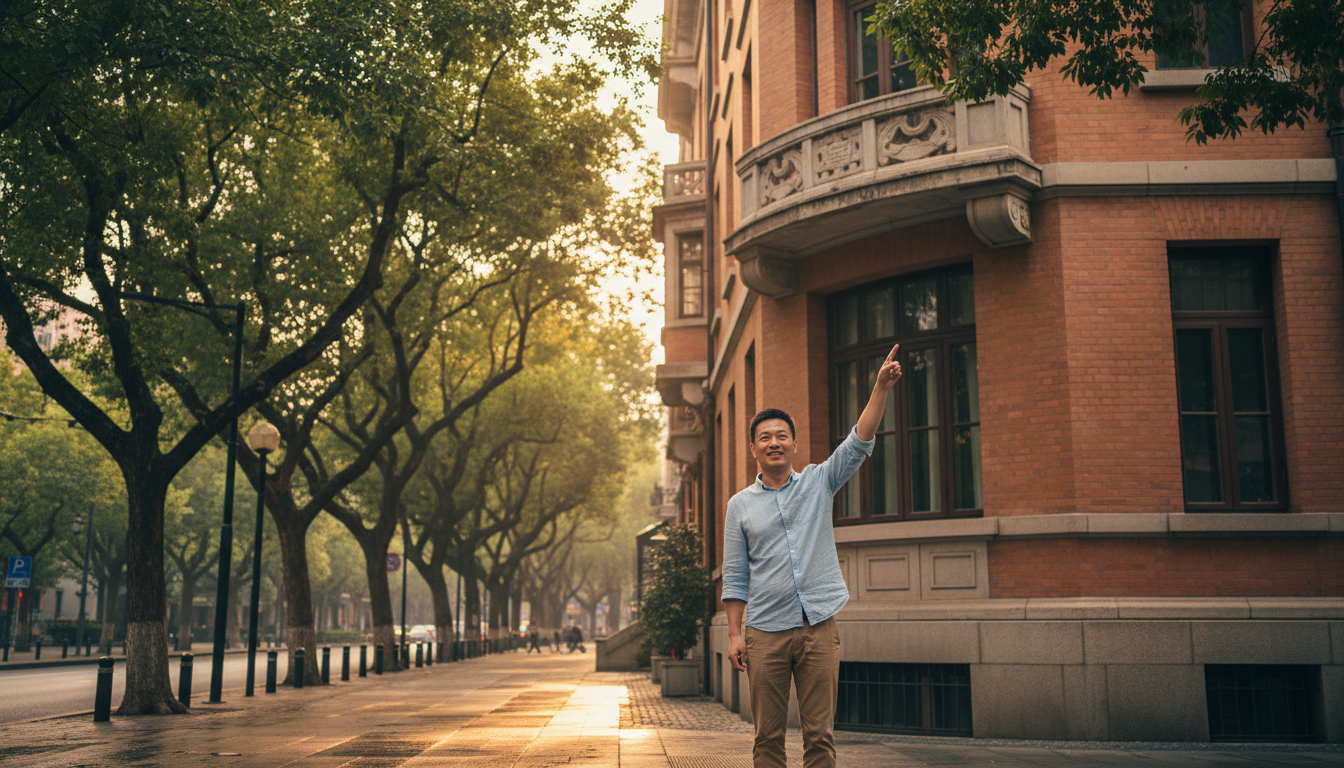
A Wukang Road walking tour Shanghai offers the best perspective of the Wutong District by providing close-up access to historic European architecture and the legendary Wukang Mansion. Walking allows visitors to appreciate the intricate details of the plane-tree-lined streets; it captures the unique blend of colonial history and contemporary lifestyle that defines this iconic neighborhood.
Many visitors leave Shanghai feeling they only touched the surface of its glossy skyscrapers, missing the intimate charm that defines the city's true character. Navigating the Former French Concession often leads to sensory overload; you might find yourself stuck in traffic or peering through a taxi window at blurred Art Deco facades. This hurried approach neglects the nuanced stories hidden within the Wutong district. To truly understand Shanghai, you must slow down. In this guide, we explore why a walking tour along Wukang Road is essential for any discerning traveler. You will discover the intricate architectural details of historic mansions, the quiet rhythm of traditional lilong lane houses, and the vibrant modern cafe culture on Anfu Road. We also provide practical advice on how to navigate these plane tree-lined streets like a local insider.
The Allure of the Wutong District and Wukang Road
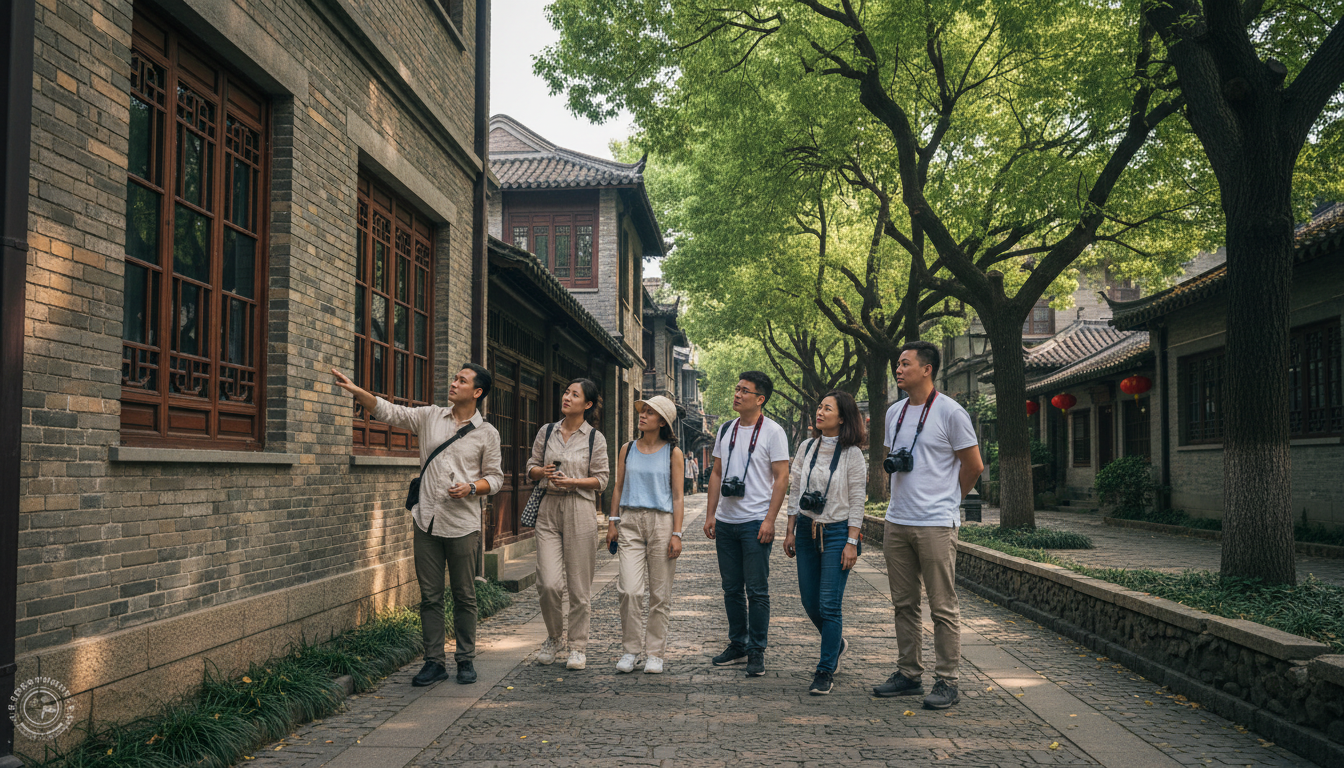
While the gleaming skyscrapers of Pudong often define Shanghai’s modern image, the city’s true historical soul resides within the quiet, leafy corridors of the Wutong District. Known historically as the French Concession, this area earned its local nickname from the majestic Wutong, or London plane trees, that form a lush canopy over its narrow streets. These trees were planted over a century ago, and today they provide a tranquil atmosphere that stands as a direct antithesis to the high-rise intensity of the city’s financial hubs.
The neighborhood is characterized by its low-rise European architecture, hidden villas, and a pace of life that feels remarkably preserved from the early 20th century. At the center of this cultural landscape lies Wukang Road, widely considered the crown jewel of the district. Exploring this area on a half-day walking tour of the Wukang Road allows you to experience a side of Shanghai that is intimate and human-scaled. Our Wutong District for groups of up to four offers the privacy needed to appreciate the stillness of these historic blocks. A Wukang Road walking tour Shanghai provides an essential perspective on how the city’s colonial past has evolved into one of its most sophisticated and sought after modern neighborhoods.
The Architectural Details You Miss from a Car
To truly understand the Wutong District, you must move at the speed of a pedestrian. While the Bund offers the fast Shanghai of grand granite facades and sweeping river views, Wukang Road provides a slow alternative that rewards the observant eye. A Wukang Road walking tour Shanghai is superior to a car ride because many of the most significant architectural features are tucked away, often visible only when you are standing directly beneath a balcony or pausing at a gate. Driving through these narrow, tree-lined streets means missing the subtle shift from the sharp geometry of Art Deco to the terracotta warmth of Spanish Mission villas.
The architectural centerpiece of the neighborhood is the Wukang Mansion, formerly known as the Normandie Apartments. Designed by the renowned Hungarian architect László Hudec in 1924, this Renaissance Revival landmark resembles a great ship anchored at a five-way intersection. From a car, you see its iconic wedge shape; on foot, you can appreciate the intricate brickwork, the shaded arcades of its ground floor, and the classical motifs carved into its upper stories.
Beyond the major landmarks, the tactile nature of these buildings defines the experience. You will notice the rough-cast plaster walls, a common feature of the era that adds a rugged, earthy texture to the residential facades. Ornate ironwork on balconies often incorporates Art Deco patterns or floral designs that remain sharp after a century. Taking a half-day walking tour of the Wukang Road allows you to stop and read the historical plaques that detail the former residents, from prominent writers to political figures. Our Wutong District for groups of up to four ensures you have the time to look closely at these details without the pressure of a large group or the obstruction of a car window. This slow pace is the only way to catch the play of light on a hidden stained-glass window or the patina of a brass door handle that has been turned for nearly a hundred years.
Stepping into the Lilongs: Shanghai's Hidden Lane Houses
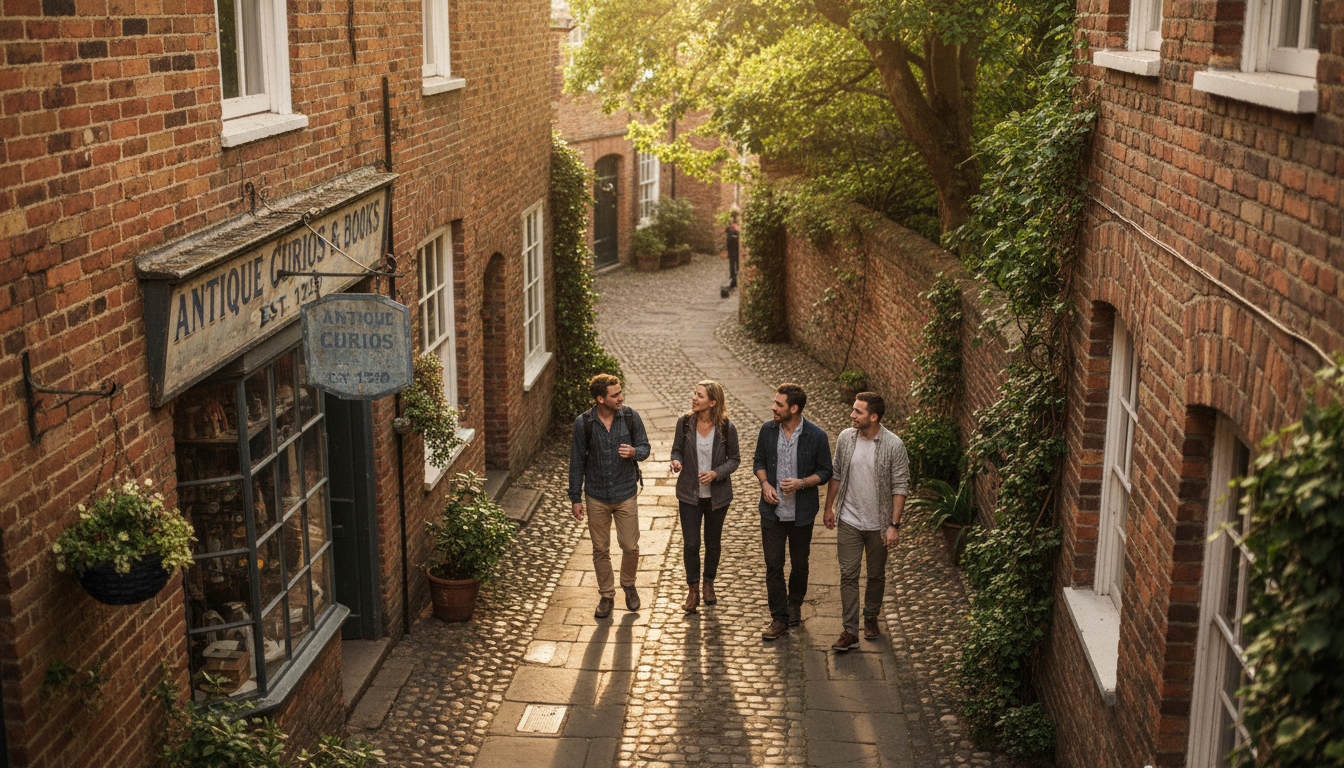
While the facades of Wukang Road are undeniably impressive, the true pulse of the neighborhood beats within the lilongs, or lane houses, tucked away behind the primary street frontages. These residential enclaves represent a quintessential Shanghainese way of living that dates back over a century. A Wukang Road walking tour Shanghai offers the unique opportunity to step off the sidewalk and enter these quiet courtyards, which remain entirely inaccessible to vehicle traffic.
Stepping through a traditional stone gate, the atmosphere shifts instantly from the chic energy of the main road to a domestic stillness. In these hidden lanes, you will see local life unfolding just as it has for generations. Look for the iconic sight of laundry draped across long bamboo poles, known as longmen, suspended between balconies. You might find elderly neighbors perched on stools sharing the latest news or cats sunning themselves on weathered stone doorsteps. These are the details that define the city’s character but are almost always overlooked by tourists who stick to the major thoroughfares.
Exploring these spaces requires a high level of discretion and a small footprint. Our Wutong District for groups of up to four ensures that your presence is respectful and unobtrusive to the residents who call these lanes home. By joining a half-day walking tour of the Wukang Road, you gain access to these architectural inner sanctums. Understanding the lilong is fundamental to understanding Shanghai; it is here that the city’s grand history meets the intimate reality of daily life.
The Dappled Light of the Plane Trees
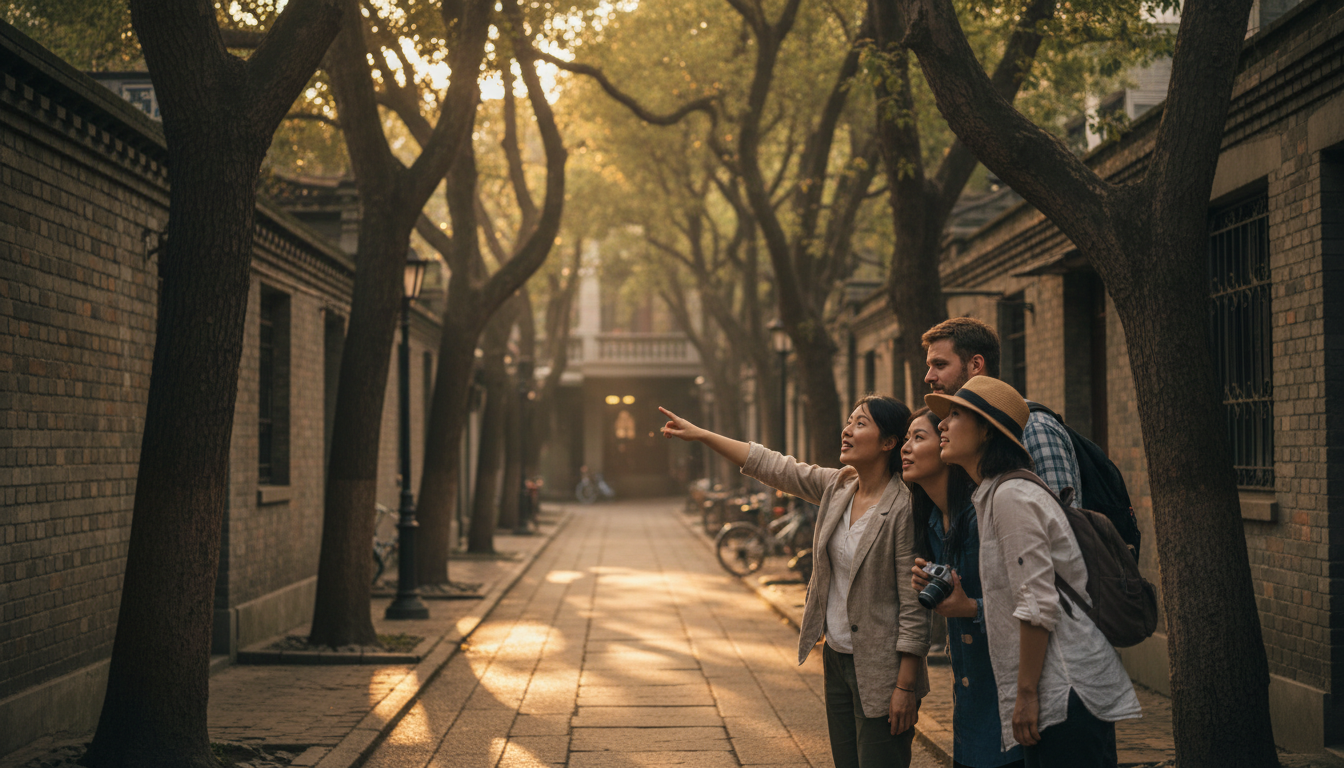
The London plane trees, or Wutong, provide more than just shade; they create a living architecture that defines the neighborhood’s rhythm. Walking along these streets, you move through a natural tunnel that shifts dramatically with the passing months. During a mid-summer half-day walking tour of the Wukang Road, the interlocking branches form a dense, emerald canopy that noticeably lowers the temperature. By autumn, the atmosphere turns cinematic as the leaves transform into a vibrant ceiling of gold and bronze.
This environment is a photographer’s dream due to the dappled light effect. Sunlight filters through the broad, serrated leaves to cast intricate, shifting shadows across the weathered brickwork of the villas. In the stillness of winter, the trees become hauntingly skeletal, revealing the mottled, camouflage-like pattern of their bark. Choosing a Wukang Road walking tour Shanghai ensures you experience the auditory side of this landscape. The gentle rustle of leaves and the crunch of autumn foliage underfoot provide a quiet soundtrack that is entirely muffled behind the glass of a car or bus. Our Wutong District for groups of up to four allows you to pause and capture these fleeting textures at your own pace.
Anfu Road and the Modern Cafe Culture
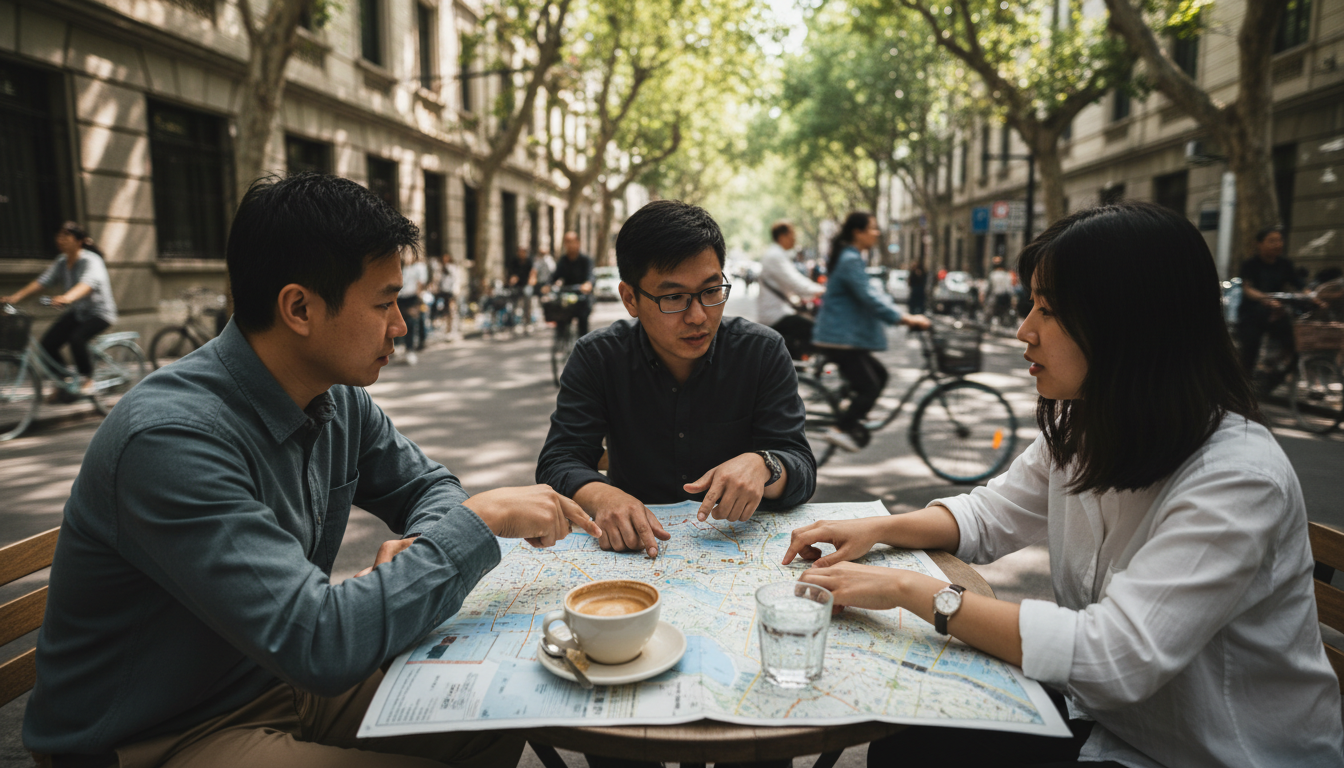
The architectural preservation of the Wutong District provides a stunning backdrop for Shanghai’s most vibrant modern lifestyle. As you approach the intersection of Wukang Road and Anfu Road, the quiet residential atmosphere shifts into a hub of contemporary culture. This area has evolved into a center for boutique coffee roasters and artisan bakeries that rival those in Paris or New York.
Taking a half-day walking tour of the Wukang Road offers more than just a history lesson; it provides a front-row seat to the city’s street style phenomenon. Anfu Road is frequently cited as the most fashionable street in China, where local residents blend high fashion with effortless urban aesthetics. We recommend pausing at a sidewalk cafe to observe this social fabric. It is a practical way to see how young Shanghainese creatives have repurposed historic spaces into galleries and concept stores.
Our Wutong District for groups of up to four gives you the flexibility to slow down for a pour-over coffee or a fresh pastry while your guide explains the transition from colonial villas to modern boutique storefronts. This balance of heritage and trendsetting energy is what makes a Wukang Road walking tour Shanghai such a multi-layered experience.
Why a Local Guide Makes the Difference
While the modern energy of Anfu Road is easy to absorb, the layers of history beneath the surface require a more nuanced perspective. Navigating these storied streets on your own is simple enough, but the true value of a Wukang Road walking tour Shanghai lies in the context that remains hidden behind high garden walls. While a map identifies a building, it rarely explains the clandestine meetings that took place within a specific Spanish-style villa during the 1930s. Many of these properties served as safe houses or residences for international spies, influential politicians, and pioneering writers whose stories are not indexed on digital maps.
A local guide provides the narrative thread that connects these silent stones to the city’s complex political and literary past. With Shanghai Buddy, you benefit from a fluent English speaker who can translate architectural plaques or decipher the subtle nuances of local signage. This linguistic bridge is essential when navigating the lilongs, as it transforms a simple walk into a meaningful cultural exchange. Our Wutong District for groups of up to four ensures you can ask specific questions that a guidebook cannot answer. Choosing a half-day walking tour of the Wukang Road ensures you are not just looking at facades, but gaining access to the private anecdotes that define the district’s enduring mystique.
Practical Tips for Your Wukang Road Walking Tour
Preparation ensures your time in the Wutong District remains focused on the scenery rather than logistics. To avoid the midday surge of visitors, plan to start your Wukang Road walking tour Shanghai in the early morning, ideally before 9:00 AM. This timing provides clear views of the architecture and a quieter atmosphere in the lanes. Alternatively, the late afternoon light around 4:00 PM offers excellent photographic opportunities as the sun dips behind the plane trees.
Practicality is key when navigating historic infrastructure. The pavements along Wukang Road and the interior residential lanes consist of aged stone and occasionally uneven brickwork, so flat, supportive walking shoes are necessary. For transportation, the most efficient method is the Shanghai Metro. Take Line 10 or Line 11 to the Jiao Tong University Station. Exit 7 is particularly convenient, placing you just a short walk from the iconic Wukang Mansion.
Our half-day walking tour of the Wukang Road operates in all weather conditions. While sunny days are bright, a light rain brings out the deep reds of the historic brickwork and adds a cinematic, moody quality to the neighborhood that is highly evocative of old Shanghai. Our Wutong District for groups of up to four is designed to keep you moving comfortably through these historic corridors, ensuring a reliable and high quality exploration regardless of the forecast.